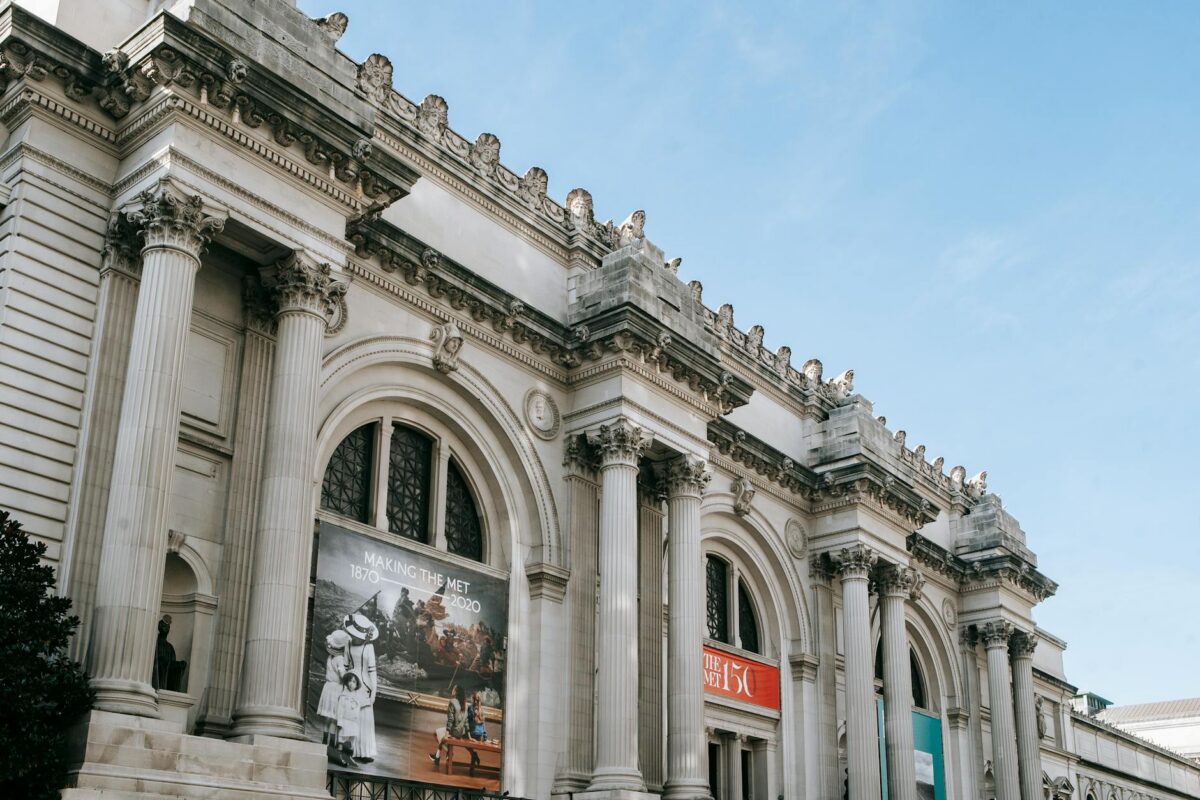
Every year, I look forward to the Met Gala. Not because I’m especially invested in celebrity culture, but because I genuinely love fashion. I love the storytelling of it all. The craftsmanship. The references hidden inside silhouettes and fabrics. I love learning the theme each year and watching designers and creatives interpret it in wildly different ways. Some looks completely miss the mark, some feel unforgettable, and some only make sense after you read the inspiration behind them hours later. For me, it has always felt less like a celebrity event and more like theatre. Fashion at its most dramatic, creative and absurd. But this year felt different.
For the first time in a long time, I found myself scrolling through the red carpet feeling oddly disconnected from it all. Not angry. Not outraged. Just a little flat. I wasn’t particularly excited about who was arriving. I wasn’t saving looks or reading every designer breakdown the way I normally would. Even before the first photographs appeared online, the atmosphere around the event already felt heavy.
And maybe that’s because the Met Gala is always more than fashion. It’s culture, it’s commerce, it’s visibility, it’s business.
Every year, the same conversations arrive almost instantly. Wealth inequality. Celebrity excess. Billionaires. Performative activism. Whether anyone should care about couture gowns while people are struggling financially. None of those conversations are wrong. In fact, many of them are deeply important.
But I do think we’ve reached a point culturally where we struggle to sit comfortably with contradiction.
Everything has to become a clear moral position. If you enjoy fashion, does that mean you support excess and wealth? If you criticise the event, are you somehow more socially aware than everyone else watching along from home? So much online conversation now feels less about curiosity and more about certainty.
This year’s discourse around Jeff Bezos and the growing presence of Big Tech at the Met Gala seemed to intensify that tension. It added to a growing feeling that the Met Gala is no longer just a fashion event, but also a space where corporate influence, tech wealth and cultural power intersect. But in truth, that isn’t new.
Amazon has been involved in Met Gala sponsorship in previous years, and Big Tech’s presence at fashion’s biggest night has been increasing over time as platforms like TikTok and Instagram have become central to how fashion is consumed, styled, and turned into instant cultural content.
Even beyond tech, the Met Gala has always had complicated relationships with power and sponsorship. Luxury fashion houses, many of which dominate the red carpet, carry their own histories of exclusivity, labour concerns, and elitism. Fashion is rarely separate from the systems that fund it. And that’s really the point.
Because this isn’t just about one billionaire or one event. It’s about how deeply intertwined culture, commerce and visibility have become.
Many of the same people criticising billionaire influence are also participating in the systems those companies power every day. We use Amazon while questioning its labour practices. We scroll TikTok while worrying about data and attention economies. We criticise overconsumption while living inside a culture built entirely around convenience and immediacy. That doesn’t make criticism invalid. It makes it human. And I think that’s where things start to feel more honest.
Fashion certainly is complicated. It always has been. It exists somewhere between art and commerce, beauty and exclusion, creativity and consumption. If you look closely enough at almost any institution involved in cultural production, you will find contradiction sitting underneath it. Which is why I sometimes think it’s okay not to rush to certainty.
It’s okay to take time. To sit with discomfort. To read more, listen more, and not immediately translate every feeling into a public position. The internet rarely leaves space for that anymore. We are constantly asked to define ourselves in real time. But people are allowed to be in process.
Sometimes it’s possible to appreciate the artistry of fashion while also questioning the systems surrounding it. It’s possible to enjoy a cultural moment while still feeling uneasy about parts of it. Those things can exist together without cancelling each other out.
And despite everything, there are still parts of the Met Gala I genuinely value. Fashion in recent years has become more inclusive in visible ways, not perfect, not complete, but shifting. Broader representation of bodies, identities and creative voices is slowly becoming part of the conversation in ways it wasn’t before. It’s there, even if you have to look a little more closely now.
I also find myself increasingly drawn to the conversations happening around the Met Gala rather than just the red carpet itself. Projects like Ball Without Billionaires offer a parallel perspective on fashion and access, creating space to think about style outside the lens of exclusivity and wealth. And the work of Sinéad Burke and Tilting the Lens, who have collaborated with institutions including The Costume Institute on accessibility and disability representation, continue to push the conversation around who fashion is actually for, and who gets to participate in shaping it.
At its best, fashion tells stories about identity, history, politics and self-expression. Art matters. Creativity matters. Beauty matters too, even when they exist inside flawed systems.
I don’t think I came away from this year with a fixed position on the Met Gala. I’m still interested in the creativity. Still appreciative of the craftsmanship. Still aware of the discomfort it can bring. But maybe that’s enough in itself.
Maybe not everything needs to be resolved into certainty. Maybe sometimes it’s enough to simply notice, reflect, and allow space for contradiction. And sometimes, it’s okay to just enjoy the dress.
Jo
